
Greece Work Visa for Nepali Workers: Jobs, Salary and How to Apply
Hotel, resort and farm jobs in Greece for Nepali workers: realistic seasonal salaries in NPR, the New Delhi visa process, and what the off-season means for savings.

Greece has quietly become one of the more realistic European entry points for Nepali workers, not because the pay is the highest in Europe, but because the hotel, resort and farm sectors on the Greek islands and mainland genuinely struggle to fill seasonal roles with local staff. This guide covers what the work actually looks like, what it pays once you convert euros to rupees, and how the seasonal nature of many contracts changes the math on savings.
Why Greek employers are hiring outside the EU
Greece pulls in more than 30 million tourists a year against a resident population of roughly 10 million, and that gap is the whole story. Hotels on Santorini, Mykonos, Crete and Rhodes need double or triple their off-season staff between April and October, and young Greeks increasingly move to Athens or abroad rather than take seasonal island jobs. Housekeeping, kitchen support, hotel maintenance and farm labour are the categories with the most consistent foreign hiring, because they're hard to staff locally at the volume the tourist season demands.

Jobs Nepali workers are actually being placed into
Hotel and resort hospitality
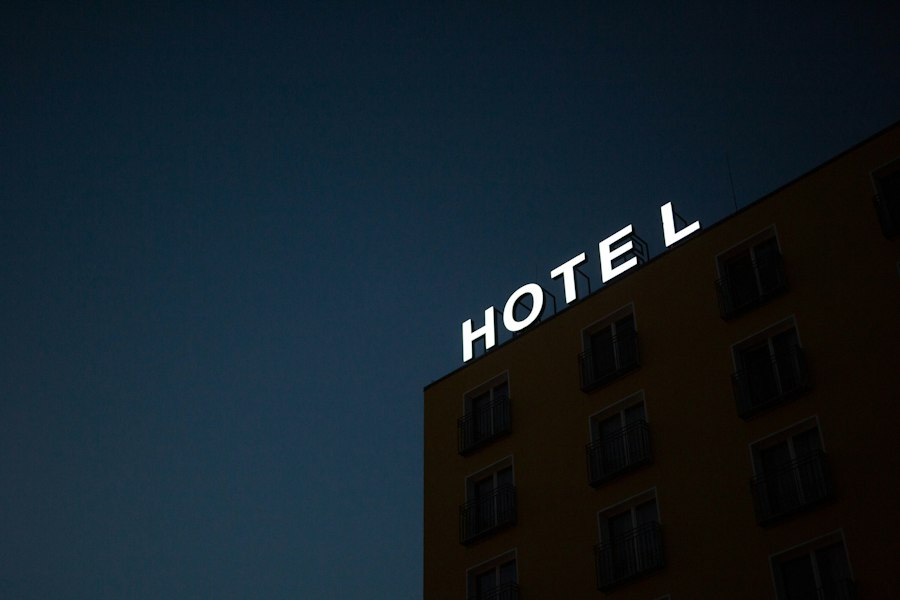
This is the largest category. Roles include housekeeping, room service, kitchen porter work, and front-of-house support at mid-size and large resort hotels. Wages typically run EUR 900 to EUR 1,300 a month (roughly NPR 133,000 to NPR 192,000 at an approximate rate of 1 EUR ≈ NPR 148), usually with staff accommodation and at least one meal per shift included. Supervisory or multilingual front-desk roles pay more, closer to EUR 1,400 to EUR 1,700.
Seasonal agriculture
Mainland Greece, particularly Peloponnese and Crete, hires seasonal farm labour for olive harvest, citrus picking and greenhouse work. Pay is lower, typically EUR 700 to EUR 950 a month, but accommodation is almost always provided on-site and the work is more predictable in hours than hospitality shift work.
Housekeeping and cleaning

Beyond hotels, commercial cleaning contractors in Athens and Thessaloniki hire year-round cleaning staff for offices, apartments and hospitality-adjacent businesses. This is one of the few Greek job categories that isn't strictly seasonal, and pay sits around EUR 850 to EUR 1,100 a month. It's a smaller segment than hotel housekeeping in raw numbers, but it's a useful route for workers who'd rather have a steady twelve-month income than a higher seasonal peak followed by months without Greek pay.
Working conditions vary more than in Poland or the Gulf. A well-run resort hotel with an HR department and clear contracts is a very different experience from a small family-run taverna hiring informally, so it matters who your employer actually is, not just what sector you're entering.
The part most agencies don't explain: seasonal contracts
Most hospitality and agriculture roles in Greece are seasonal contracts of 6 to 9 months, tied to the tourist calendar (roughly April through October) or the harvest window. This is different from a factory job in Poland or the Czech Republic, which typically runs on a continuous 24-month contract.
A seasonal contract at EUR 1,100/month for 7 months brings in EUR 7,700 for the season, before tax and living costs. That's real money, but it isn't the same as EUR 1,100 x 12. Anyone comparing a Greece offer against a full-year Poland or Czech Republic offer needs to compare total annual income, not the monthly figure alone. Some workers return home for the off-season and re-apply for the following summer; others use the seasonal contract as a stepping stone toward a longer-term EU work history.
Visa and work permit process
Nepal has no resident Greek embassy, so applications are currently routed through the Greek embassy in New Delhi. The broad sequence:
- A Greek employer (hotel, agricultural operator, or cleaning contractor) issues a job offer and initiates the work permit request with the Greek Ministry of Migration and Asylum.
- Once the Greek work permit is approved, the worker applies for a national type D visa at the Greek embassy in New Delhi, submitting passport, the employment contract, the work permit approval, proof of accommodation, and biometric photos.
- DOFE pre-approval in Nepal runs in parallel, based on the attested demand letter from the employer.
- Visa processing typically takes 6 to 10 weeks, longer during the pre-season rush in February and March when most seasonal hiring happens.
- On arrival, seasonal workers register locally and receive a residence permit tied to the length of the contract.
Documents to prepare in advance
- Passport with at least 12 months validity remaining
- Signed employment contract from the Greek employer
- Work permit approval document
- Proof of accommodation arranged by the employer
- Sworn or certified translation of relevant certificates
- Travel and health insurance covering the contract period
- DOFE approval and labour permit from Nepal

Life on a Greek island during and after the season
During the season, life on a tourist island is intense. Long shifts, shared staff housing, and a workforce that's genuinely international, with colleagues from the Philippines, Georgia, Albania and increasingly Nepal working the same hotels. Many workers describe the first month as an adjustment period: different food, a language barrier beyond basic English, and a pace of work built around back-to-back guest turnovers.
Once the season ends in October or November, island life slows down dramatically. Restaurants and many hotels close for winter, and workers on seasonal contracts either return to Nepal, move to a mainland job if one is available, or, for those with multi-year relationships with the same employer, wait out the off-season with a reduced-hours arrangement. This is the trade-off that needs planning before departure, not after arrival: a seasonal income needs a seasonal budget, with savings from the working months stretched to cover months without Greek income.
Planning your savings around a seasonal contract
Treat the seven or eight working months as your entire year's earning window. After accommodation costs (often subsidised or free under an employer contract) and food, many seasonal workers report sending home NPR 60,000 to NPR 90,000 a month during the season. Over a 7-month contract, that's in the range of NPR 420,000 to NPR 630,000, comparable to a partial year in Poland but earned in roughly half the time. Whether that beats a 12-month Gulf or Central European contract depends on what you do in the off-season, and that's worth thinking through with a counsellor before you sign anything.
How to apply through Glocal Workforce Nepal
- Browse live Greece vacancies on our jobs page to see current openings by role and season.
- Submit your application with your CV and passport copy.
- Our Europe desk reviews applications and responds within 48 hours if you're shortlisted.
- Once selected, we coordinate the Greek work permit process, DOFE pre-approval, document translation and visa filing at the New Delhi embassy.
- Typical timeline from selection to departure runs 10 to 14 weeks, so early-season applications (December through February) have the best chance of catching the summer hiring window.
Visa and work permit requirements can change without much notice. Confirm current rules with DOFE or the Greek embassy before making any financial commitments, and talk to our counsellors if anything in your offer letter looks unclear.
Frequently asked questions
Is a Greece job offer seasonal or year-round?+
Most hospitality and agriculture roles are seasonal, typically 6 to 9 months tied to the tourist season or harvest window. Cleaning contracts in Athens and Thessaloniki are more likely to be year-round. Always check the contract length before comparing a Greek offer to a 12-month contract elsewhere.
How much can I realistically save working in Greece?+
Seasonal hospitality workers commonly send home NPR 60,000 to NPR 90,000 a month during the working season, which runs 6 to 9 months. Over a full season that's roughly NPR 420,000 to NPR 630,000, though this depends heavily on the employer and whether accommodation and food are included.
Where do Nepali workers apply for a Greek work visa?+
There's no resident Greek embassy in Kathmandu, so applications go through the Greek embassy in New Delhi. The employer first secures a Greek work permit, then the worker applies for a national type D visa in New Delhi with the permit, contract and supporting documents.
What happens when the Greek tourist season ends?+
Most seasonal contracts end with the season, typically October or November. Workers either return to Nepal, look for a mainland role, or, if the employer offers it, wait through winter on reduced hours. Planning your savings and travel around this gap is essential before you accept a seasonal offer.
Do I need to speak Greek to get hired?+
No. Most hotels and resorts operate with English as the working language given the international guest base, and many teams are already multilingual. Basic Greek helps with daily life but isn't a hiring requirement for housekeeping, kitchen or farm roles.
More on Country Guides

Czech Republic Work Visa for Nepali Workers: Jobs, Salary and Application Steps
A practical guide for Nepali workers: Czech Employee Card steps, factory and warehouse pay in NPR, DOFE process, taxes, and take-home pay for 2026.

Gulf Country Comparison: UAE vs Qatar vs Saudi Arabia for Nepali Workers
Three biggest Gulf destinations for Nepali workers, head-to-head. Salary, cost of living, worker rights, savings potential and which one to choose.
Ready to take the next step?
Contact our counsellors for a free consultation.